































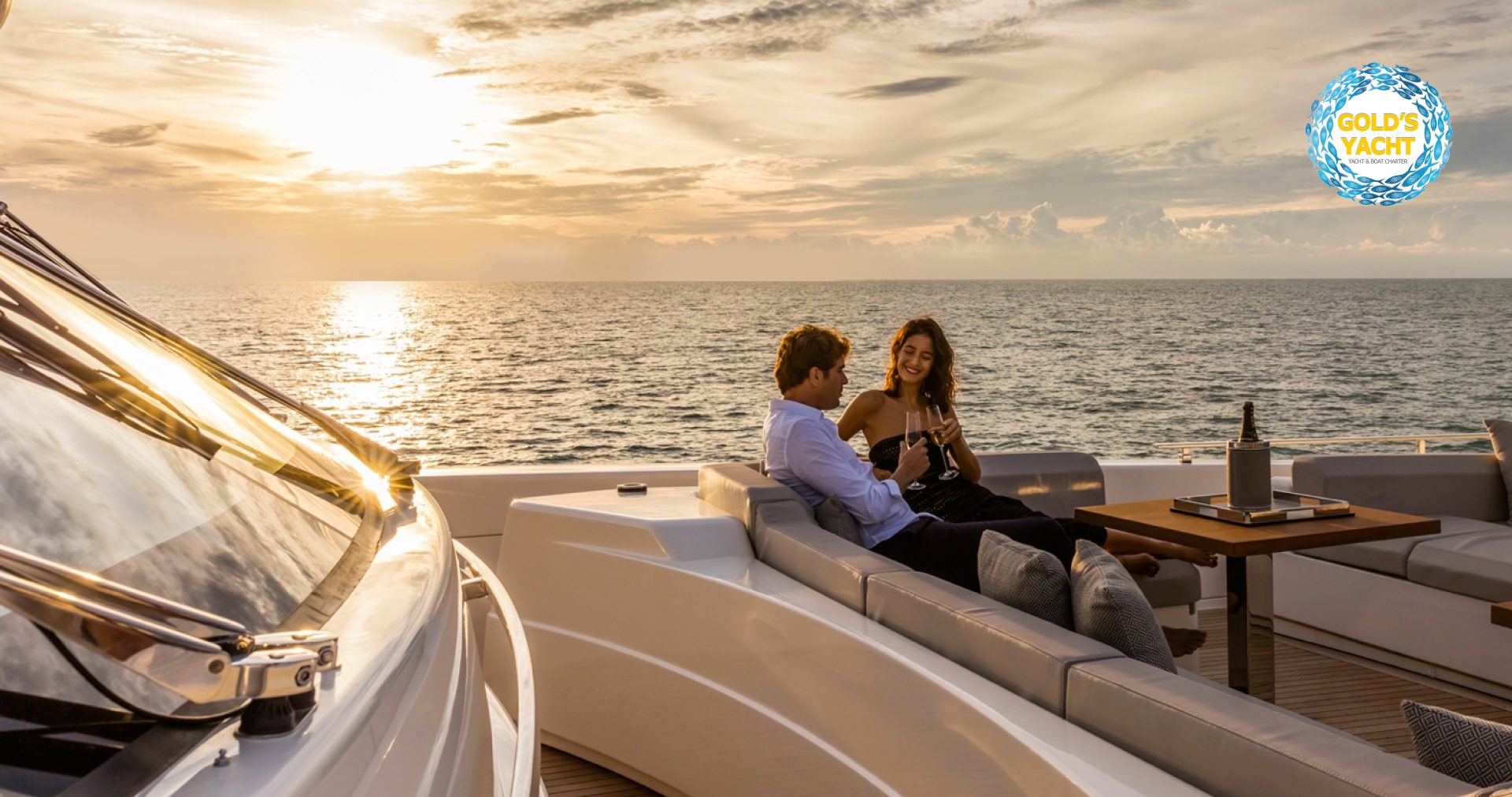
A photoshoot on a yacht is not just a shoot; it’s an entire aesthetic and emotional experience. It combines the romance of the sea, the dynamics of movement, and the atmosphere of freedom. These are the kinds of photos that become the highlight of any personal album, portfolio, or social media feed.
Why a Yacht Photoshoot is a Unique Experience
A sea photoshoot creates a unique mood: the sail, the wind, the sun glistening on the water, and the feeling of absolute freedom. It’s the perfect blend of nature and luxury, especially if the shoot takes place on a stylish yacht with picturesque views. Such shots look impressive and timeless, regardless of fashion and trends.
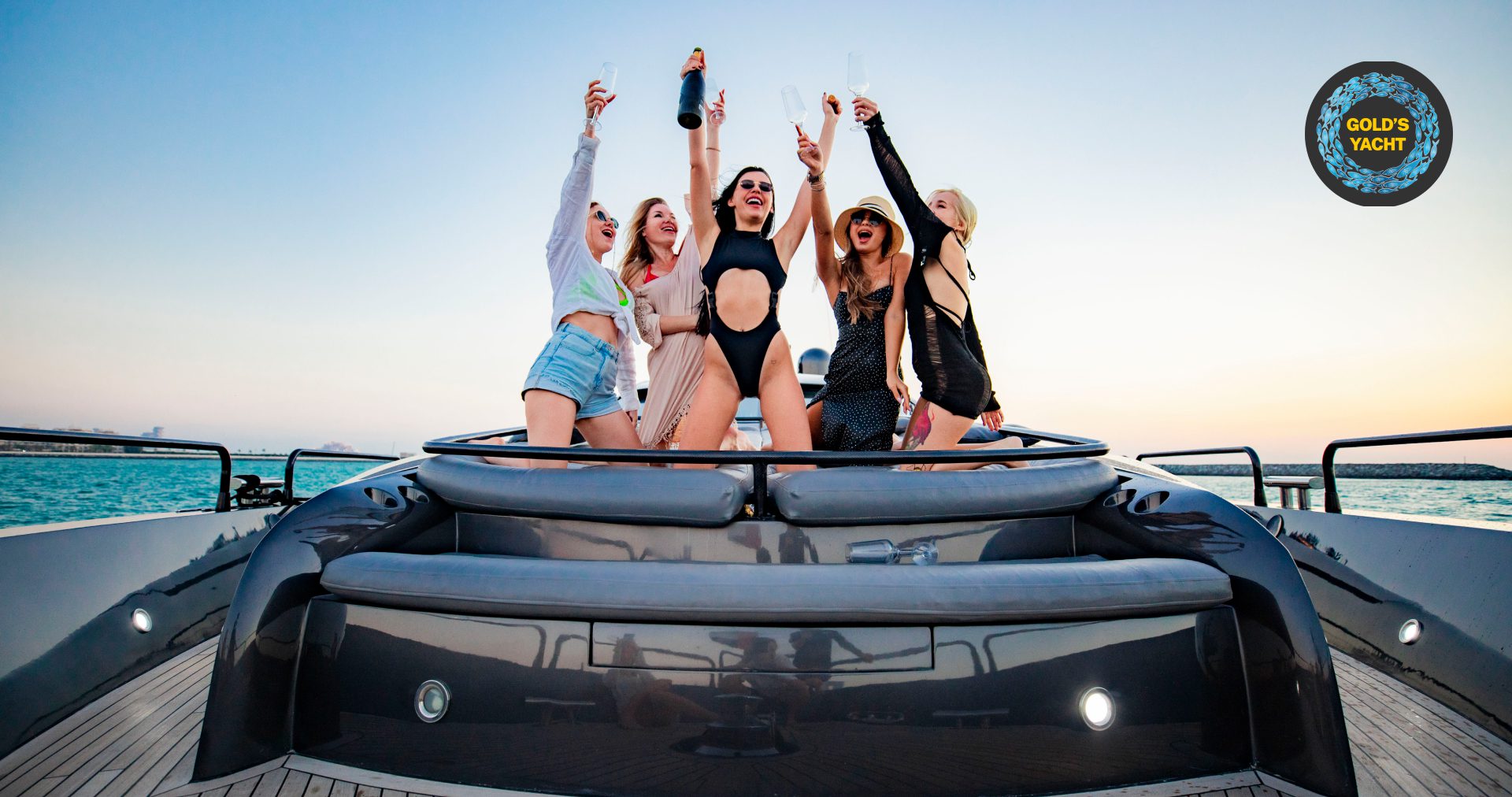
Moreover, perfect water shots are also an exciting adventure. Moments when the model stands at the bow of the yacht, laughs in the wind, or enjoys a sunset with a glass in hand cannot be replicated in a studio. It’s a lively, dynamic process that fills the photos with energy and genuine emotions.
Preparing for a Yacht Photoshoot
The success of a sea photoshoot largely depends on proper preparation. To capture lively, impactful, and harmonious shots, it’s essential to plan every detail in advance: from choosing the yacht to considering weather conditions. This helps avoid rushing, allowing you to focus on creativity and fully enjoy the process. Below, we’ll discuss key aspects of preparation to consider when planning a yacht shoot.
Choosing the Right Yacht and Route
For perfect shots on the water, both the photographer’s skills and the location are crucial. When selecting a yacht, pay attention to its style, deck cleanliness, and availability of open and shaded areas. The route also matters: photos on a yacht with the Burj Al Arab, Palm Jumeirah, or a sunset at Dubai Marina as a backdrop make the shots atmospheric and easily recognizable.
Selecting the Time of Day: Morning, Noon, or Sunset
Morning offers soft, diffused light and calm seas. Noon provides bright, vibrant shots but requires dealing with glare. Sunset is the ideal time for romantic and warm shots during the “golden hour.”
Weather Conditions and Their Impact on the Shoot
Cloudiness can add mystery but reduces color brightness. Strong winds bring dynamics, flowing hair, and dresses but also additional challenges. Check the forecast in advance and have a plan B for changing weather conditions.
Planning the Theme and Style of the Photoshoot
A yacht photoshoot can be themed: nautical chic, boho, retro, sporty, or glamorous. Pre-selecting accessories, backgrounds, and props makes the shoot intentional and cohesive.
Clothing and Looks for the Photoshoot
The outfits for a yacht photoshoot play a key role in creating harmonious and aesthetic shots. Against the backdrop of the sea and deck, colors, textures, and styling are especially important—they set the mood of the photos. A well-thought-out look not only makes you look impressive but also feel confident. Below, we’ll discuss how to choose wardrobe, accessories, and makeup considering the marine atmosphere and climate.
Choosing the Wardrobe
For a yacht photoshoot, light shades work well: white, blue, beige, pastels. It’s best to choose lightweight fabrics—chiffon, linen, cotton. They flow beautifully in the wind and emphasize the airiness of the look.
Accessories
Wide-brimmed hats, sunglasses, nautical elements like ropes or lifebuoys add style. But it’s important not to overdo it—everything should harmonize with the look.
Makeup and Hairstyle
Considering the marine climate, makeup should be waterproof and heat-resistant. Hair can be either neatly styled or arranged in “beach” waves, highlighting the lightness of the look.
Technical Aspects of Shooting on Water
Shooting on water has its peculiarities, which are important to consider for high-quality shots. From equipment selection to protecting gear—every detail affects the final result:
- Equipment—it’s best to use a full-frame camera with a versatile zoom lens and an additional wide-angle lens. Accessories like stabilizers, water protection, and polarizing filters are useful.
- Camera Settings—bright sunlight requires low ISO, short exposure, and exposure control. Don’t forget exposure compensation when shooting against a bright sky or water reflections.
- Equipment Protection—use waterproof covers, hoods, and soft cloths to protect against salty splashes. Protect the gear from overheating and direct sunlight.
By following these technical recommendations, you can confidently work in marine conditions and achieve stable, rich, and expressive shots. Proper equipment preparation avoids unpleasant surprises and allows you to focus on the creative side of the shoot.
Composition and Posing
As in any visual art, composition plays a crucial role in photography. On a yacht, there are numerous unique opportunities to work with lines, space, and movement. Skillful posing and using the surrounding environment allow you to create not just photos but lively and emotional stories.
Below are key techniques to help make your water shots truly expressive:
- Poses and Angles—use the yacht’s sides, bow, stairs, and ropes as natural frames and composition lines. Both static poses and moments of movement, like a flowing dress, playing with the wind, or gazing into the distance, look beautiful.
- Working with the Background—horizon, water reflections, clouds, and sails can all serve as backgrounds. The main thing is to maintain balance and not overload the frame.
- Creating Dynamic Shots with Movement—try capturing moments when the model walks on the deck, laughs, adjusts her hair in the wind, or interacts with yacht elements. Such shots enliven the photoshoot and add naturalness.
Even small adjustments in the model’s angle or movement can significantly impact the result. Experiment, take a series of shots, and choose the best ones—this will help you find your signature style for water photography.
Lighting Features on Water
Lighting is one of the most important elements of a successful photoshoot, especially on a yacht, where the sun, reflections, and shadows can either highlight the beauty of the shot or ruin it. Understanding the peculiarities of light on water helps the photographer adapt to conditions and make the most of each scene. Below are key tips for photographing on water and working with lighting in marine photography.
Overcoming the Challenges of Bright Sun and Glare
Bright sun during the day creates harsh shadows and can cause overexposure. To avoid this, use polarizing filters and shoot in shaded areas of the yacht. It’s also important to control the direction of light and, if possible, position the model so that the light falls at an angle—this softens shadows and adds volume.
Using Reflectors and Flash
Reflectors work well in bright light conditions, especially for portrait photography. They help illuminate the model’s face, even out the tone, and eliminate unwanted shadows. A built-in or external flash with a diffuser is useful in backlit conditions or when shooting closer to sunset.
Shooting During the Golden Hour and at Sunset
The best time for a yacht photoshoot is the hour after sunrise and before sunset. During this time, the light becomes soft, warm, and directional, creating a magical atmosphere. Shots in golden light look especially romantic and harmonious against the backdrop of water and sky.
How to Use Shadows and Contrast
Don’t shy away from shadows—with skillful work, they become an expressive element of composition. Shadows from sails, accessories, masts, or even the model herself can add graphic quality and drama. The main thing is to control the balance between light and shadow so that the frame remains readable.
Working with light on water requires experience, but it’s here that a photographer’s creative potential can be fully unleashed. The play of reflections, the softness of the evening sun, and textured shadows create visual magic that makes each shot special.
Safety During the Photoshoot
Photoshoots on a yacht require attention. Here are the rules to follow on board:
- During the yacht’s movement, it’s not recommended to stand at the edge without support or change poses abruptly.
- Don’t interfere with the crew’s work, hold onto railings, and avoid slippery areas. It’s better to discuss the shooting route with the captain in advance.
- If the photoshoot involves shooting at the stern, near the water, or with a drone, use life jackets. Safety is always a priority.
Following these simple yet important recommendations helps maintain a comfortable and calm atmosphere on board. After all, nothing should distract from the creative process and the joy of shooting. Remember: beautiful shots should not come at the cost of risky situations.
Post-Processing of Photos
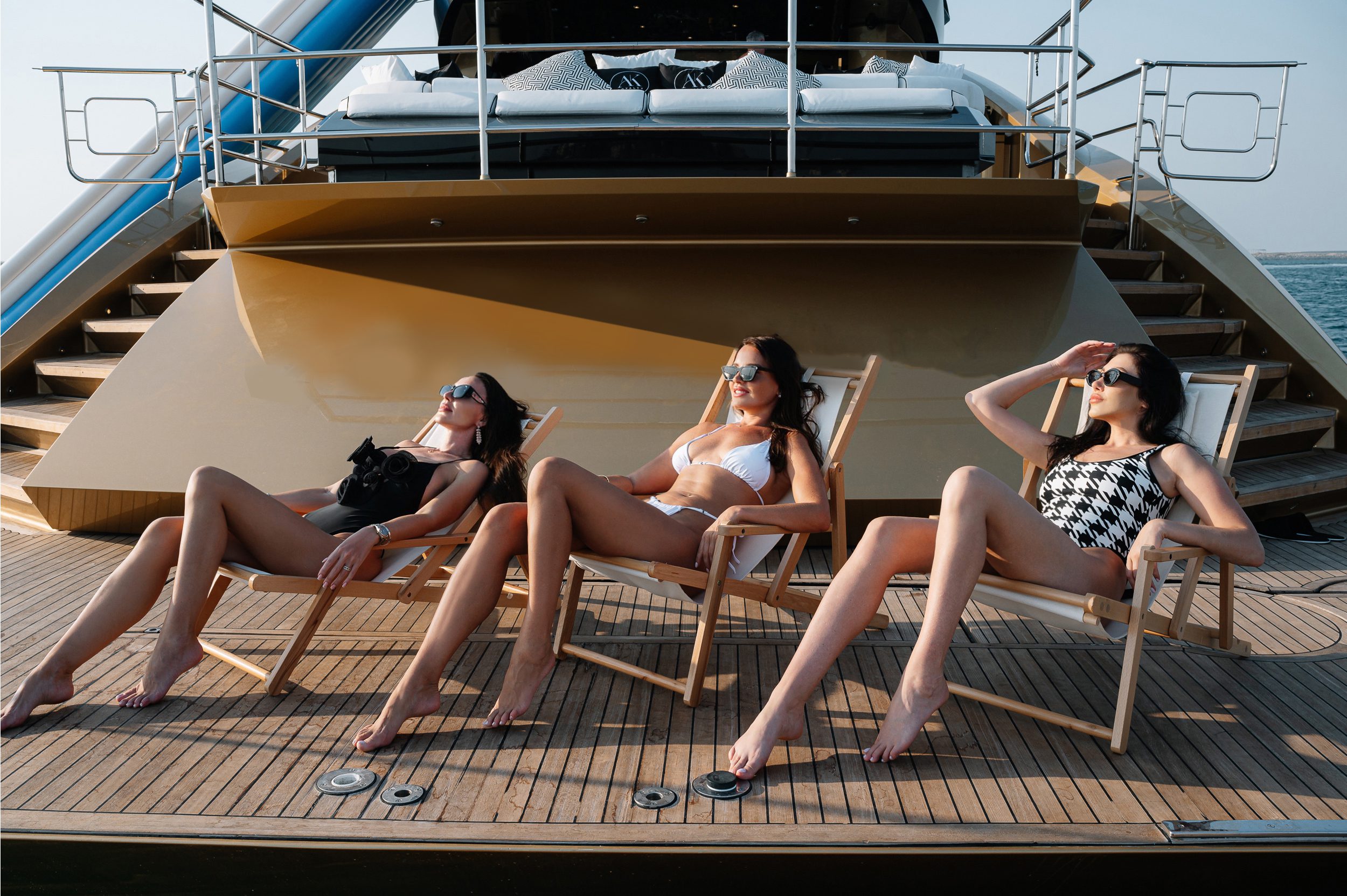
Even the most successful shots require slight corrections to emphasize the mood, fix technical nuances, and give the frame a finished look. Against the backdrop of marine light and reflections, post-processing becomes especially valuable. Here are the main points to consider:
- Color and Glare—marine shooting often requires white balance correction, reduction of cool tones, and suppression of glare.
- Effects and Stylization—use warm filters, vignetting, or film simulation to create an atmospheric mood. But don’t overload the frame—marine shooting is already very expressive.
With proper post-processing, you can highlight key accents, create a cohesive style for the entire photoshoot, and adapt the photos for any purpose—whether for Instagram publication or portfolio creation. The main thing is to maintain balance and not lose the naturalness of the shots.
Life Hacks and Tips from Professionals
Professionals know how to quickly react to changes in light, the model’s mood, and weather conditions. Here are tips for a yacht photoshoot that will help make the shoot not just successful, but truly inspiring.
- Act quickly—light and conditions on the water change instantly;
- Work with the model on trust—comfort and relaxation lead to natural poses;
- Use a drone for panoramas and overhead shots—they add drama and scale.
Even in changing weather, you can create stunning shots—the main thing is to maintain creativity and flexibility in your approach.
Conclusion
A professionally organized yacht photoshoot is not just pictures but real works of visual art. Plan the shoot with attention to detail, choose comfort and inspiring views—and the result will exceed all expectations. Try renting a yacht for a photoshoot in Dubai with the team at yachtrentaldubai.com—and your photos will speak for themselves.
